A beginner-friendly introduction to Game Art. Learn basic concepts, 2D and 3D game art, essential tools, skills, and how to start step by step.
Game Art for Beginners: Learn 2D, 3D, Tools, and Career Paths
- 👨🏫 Author: mohammad saleh salmanzadeh
- 🌐 Language: Persian / English
- 📝 Creation Date:
- 📅 Last Updated Date:
- 📂 Category: Game Content Creation
- 🔗 Sharing:

Game Art for Beginners: A Simple Introduction
Game art is one of the most exciting and creative parts of video game development. When people think about games, the first things they usually notice are the visuals: characters, environments, colors, animations, and overall style. This article is written for complete beginners who have no professional background in art or game development. As a teacher, I will explain game art in a simple, clear, and educational way so you can understand what game art is, why it matters, and how you can start learning it step by step.
What Is Game Art?
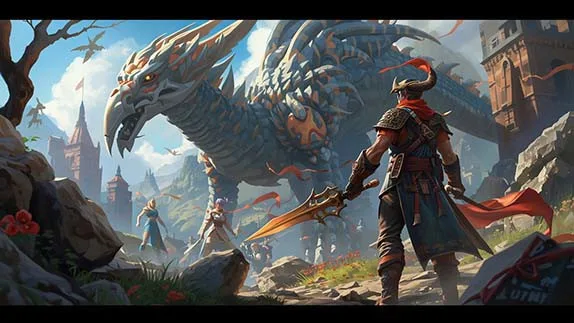
Game art refers to all the visual elements that appear in a video game. This includes characters, environments, objects, user interface elements, animations, and visual effects. Game artists use their creativity and technical skills to bring a game world to life.
Unlike traditional art, game art must work inside a game engine. This means game art is not only about beauty, but also about performance, clarity, and interaction. A game artist creates visuals that look good and also run smoothly in real time.
Game Art vs Traditional Art
Traditional art is usually created to be viewed as a finished piece, such as a painting or illustration. Game art, however, is created to be used inside an interactive system. Players can move around, interact with objects, and change the scene. Because of this, game art must follow certain technical rules.
Why Game Art Is Important in Games
Game art plays a huge role in how players feel and connect with a game. Even a game with simple gameplay can become popular if it has a strong visual style.
First Impression
The visual style of a game is often the first thing players notice. A clear and attractive art style can encourage players to try the game and stay longer.
Storytelling Through Visuals
Game art helps tell the story without using words. The design of characters, environments, and colors can show emotion, mood, and personality. For example, dark colors can create a scary atmosphere, while bright colors can make a game feel fun and friendly.
Player Experience
Good game art makes the game easier to understand. Clear icons, readable text, and well-designed environments help players know what to do and where to go.
Main Types of Game Art
There are different types of game art depending on the style and technology used.
2D Game Art
2D game art is flat and has only width and height. It is commonly used in mobile games, indie games, and classic-style games.
Examples of 2D Game Art
Character sprites
Background illustrations
Icons and UI elements
Frame-by-frame animations
2D game art is often easier for beginners to start with and requires fewer technical tools.
3D Game Art
3D game art has width, height, and depth. It is used in most modern games on PC and consoles.
Examples of 3D Game Art
3D characters
Environments and levels
Props like weapons and furniture
3D animations
3D game art usually requires more technical knowledge, such as modeling, texturing, and lighting.
Roles in Game Art
Game art is created by different specialists, especially in larger teams.
Concept Artist
A concept artist creates early visual ideas for characters, environments, and objects. These drawings help define the style and direction of the game.
Character Artist
Character artists create the final characters used in the game. They design faces, clothes, and body shapes and make sure the character fits the game style.
Environment Artist
Environment artists design and build the game world, such as cities, forests, rooms, and landscapes.
UI Artist
UI artists design menus, buttons, icons, and other interface elements that players interact with.
Basic Skills Needed for Game Art
You do not need to be a professional artist to start learning game art. However, some basic skills are very helpful.
Drawing and Observation
Basic drawing skills help you understand shape, proportion, and composition. Learning to observe real-world objects also improves your art.
Color and Lighting
Understanding how colors work together and how light affects objects is very important in game art.
Creativity and Imagination
Game art is about creating worlds that do not exist. Creativity helps you design unique and interesting visuals.
Tools Used in Game Art
Game artists use different software tools depending on whether they work in 2D or 3D.
Popular Tools for 2D Game Art
Photoshop
Krita
Procreate
Popular Tools for 3D Game Art
Blender
3ds Max
Maya
These tools may look complex at first, but beginners can learn them step by step with practice.
Game Art Tools Comparison Table
| Software | Price | Type | Best For | Difficulty |
|---|---|---|---|---|
| Photoshop | Monthly subscription | 2D | Character design, environment, UI | Medium |
| Krita | Free | 2D | Digital drawing and painting | Easy |
| Procreate | One-time (iPad) | 2D | Drawing and painting | Easy |
| Blender | Free | 3D | Modeling, animation, rendering | Medium |
| 3ds Max | Monthly subscription | 3D | Modeling, architecture, game environments | Advanced |
| Maya | Monthly subscription | 3D | Character animation, film | Advanced |
Game Art and Game Engines
Game art is usually imported into a game engine, where it becomes part of the game.
Common Game Engines
Unity
Unreal Engine
Game artists need to understand basic engine concepts, such as materials, textures, and lighting, even if they are not programmers.
Common Challenges for Beginners
Learning game art can be challenging, especially at the beginning.
Technical Limitations
Game art must be optimized so the game runs smoothly. Beginners often create art that is too detailed or too heavy for real-time use.
Staying Motivated
Improving art skills takes time. Progress may feel slow at first, but regular practice leads to visible improvement.
How to Start Learning Game Art
Starting your journey in game art does not require expensive tools or years of experience.
Choose 2D or 3D First
It is better to focus on one area first. Choose 2D if you enjoy drawing, or 3D if you like working with shapes and models.
Practice Small Projects
Create simple characters, objects, or environments. Small projects help you learn faster and stay motivated.
Learn from Online Resources
There are many free tutorials, courses, and communities online that support beginners in game art.
Game Art and Career Opportunities
Game art can become a professional career.
Jobs Related to Game Art
Game artist
Character artist
Environment artist
UI artist
Many game artists work in studios, while others work as freelancers or indie developers.
The Future of Game Art
Game art continues to evolve with new technology. Virtual reality, augmented reality, and artificial intelligence are creating new possibilities for artists. Learning game art today can open many doors in the future.
Conclusion
Game art is a powerful combination of creativity and technology. It shapes how players see, feel, and experience a game. You do not need a strong technical background to start learning game art. With curiosity, practice, and patience, anyone can begin this creative journey.
Whether you want to create beautiful characters, immersive worlds, or simple indie games, game art gives you the tools to turn imagination into interactive experiences. The best way to learn game art is to start today and keep creating.
Want to learn game art and 3D modeling from scratch and create professional assets? Enroll in the “Basic Training of 3ds Max 2026” course now and get started!
Q1: What is Game Art and how is it different from traditional art?
Answer: Game Art refers to all visual elements of a video game, including characters, environments, objects, user interfaces, animations, and visual effects. The main difference from traditional art is that Game Art must be executed within a game engine and, besides being beautiful, must be optimized for performance, clarity, and interactivity. Traditional art is usually created as a final piece for viewing, while Game Art is built for use in an interactive system.
Q2: What roles are there in Game Art?
Answer: In large projects, Game Art is created by various specialists, including: Concept Artist (designing initial ideas), Character Artist (creating final characters), Environment Artist (designing the game world), and UI Artist (designing menus, buttons, and icons). Each role requires specific skills and tools.
Q3: What are the best tools for starting Game Art?
Answer: For 2D Game Art, tools like Photoshop (professional), Krita (free), and Procreate (for iPad) are suitable. For 3D Game Art, Blender (free and powerful) is the best choice for beginners. More professional tools like 3ds Max and Maya are also used in the industry. The choice of tool depends on your project type and interest.
Q4: What is the difference between 2D and 3D Game Art?
Answer: 2D Game Art has only width and height and is used in mobile games, indie games, and classic games. Examples include character sprites, background illustrations, and icons. 3D Game Art has width, height, and depth and is used in most modern PC and console games, including 3D characters, environments, and objects. 3D Game Art typically requires more technical knowledge.
Q5: Do I need drawing skills to start Game Art?
Answer: Drawing skills are not a prerequisite, but they are very helpful. To start, interest, practice, and patience are more important than natural talent. With regular practice and using educational resources, your drawing and observation skills will gradually improve. Many professional Game Artists also started without an art background and achieved success through practice.
Q6: Are there career opportunities in Game Art?
Answer: Yes, Game Art offers diverse career opportunities in the gaming industry and related fields. Careers include Game Artist, Character Artist, Environment Artist, UI Artist, and Concept Artist. Additionally, with the growth of Virtual Reality (VR), Augmented Reality (AR), and the Metaverse, the demand for Game Artists is increasing, and this skill is also applicable in other industries like advertising, film, and animation.
- 🗨️ No comments have been posted for this article yet. Be the first!